Seasonal Work 101
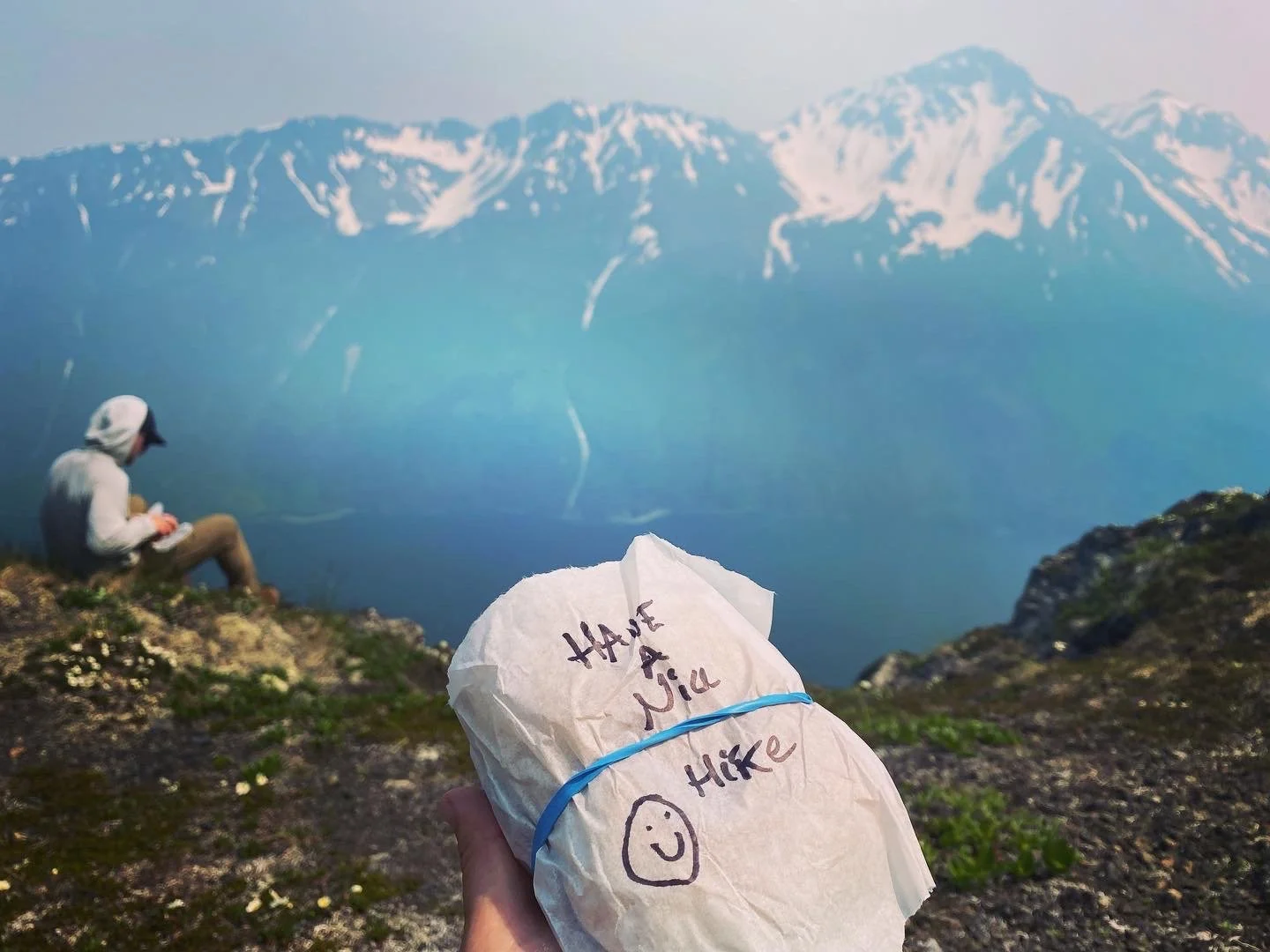
Everything I Learned Working in My 20s (and More)
I worked seasonal jobs on and off throughout my 20s, took a couple of years away, and now I’m headed back for another season in Alaska at 29.
I get asked a lot of questions about seasonal work in my personal life, so I wanted to create a resource that breaks it all down: the types of jobs you can do, what the lifestyle actually looks like, who it’s for, the pros and cons, and—most importantly—where to find work.
Throughout this post, I’ve included a treasure trove of links to communities living this lifestyle, along with places to find seasonal jobs. I’ve also put together a separate, bullet-point guide that walks through exactly how and where to find work, if that’s all you’re looking for.
And, of course, I share my own experiences with seasonal work—and talk to other seasonal workers and people carving out unconventional careers and life paths—on my YouTube channel and socials. Feel free to follow along!
Let’s get into it!
What Is Seasonal Work?
Technically, any job done in defined chunks of the year counts as seasonal work. For the sake of this post, though, I’m mostly referring to jobs in outdoor tourism.
In the United States, the main summer season typically runs from May through September or October. Some people save aggressively during that time, then take the rest of the year off to travel, care for a family member, go to school, or pursue other projects.
To turn seasonal work into a longer-term lifestyle, many people “stack” seasons. For example, someone might work a summer season in Alaska, take a couple of months off, then head to a winter job at a ski lodge in Colorado.
There are endless ways to structure—and capitalize on—the seasonal lifestyle. I’ll share plenty of examples and resources for inspiration further down.
What Kinds of Jobs and Skills Do Seasonal Workers Have?
Short answer: a lot. Long answer? Let’s break it down.
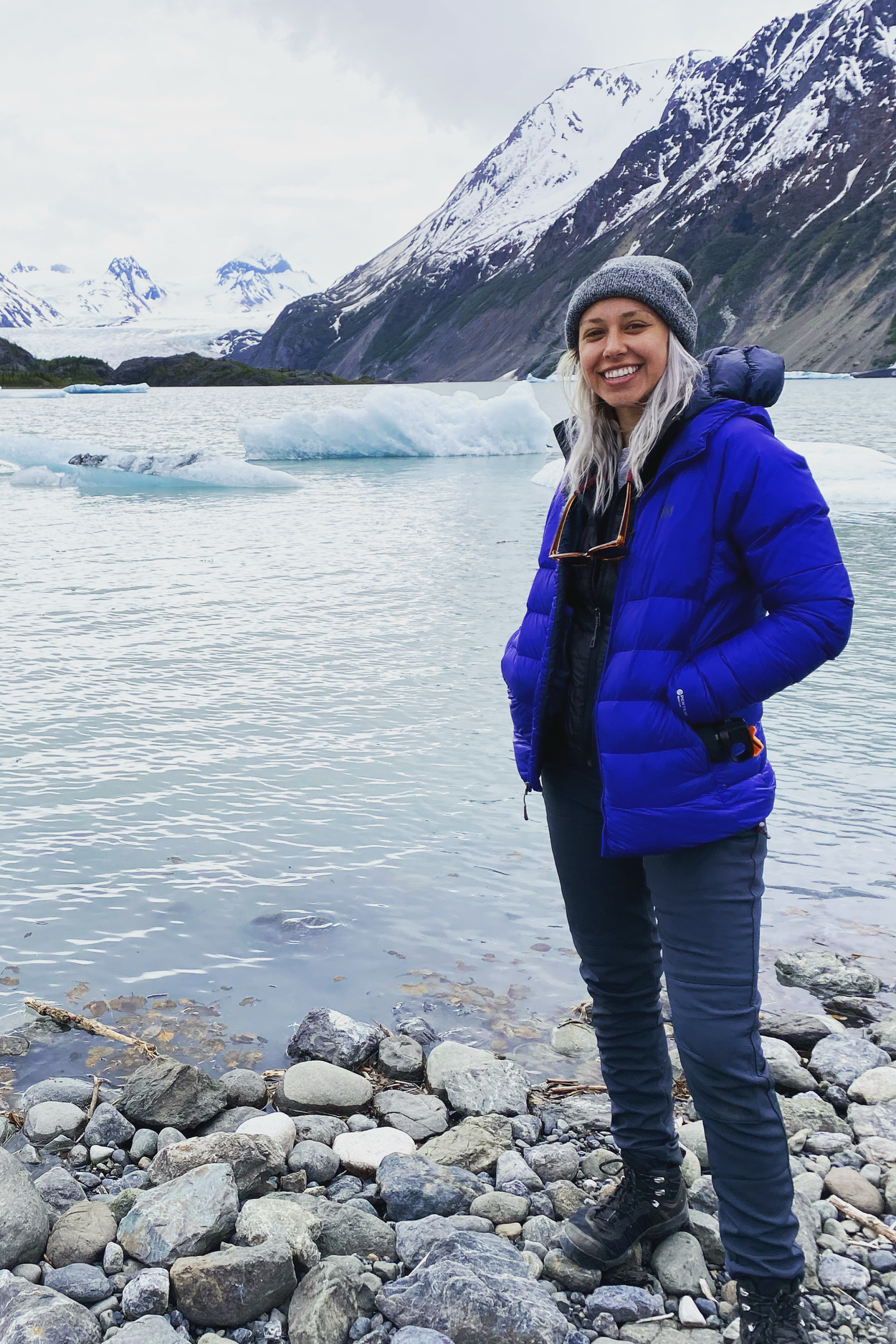
Outdoor Tourism
Think lodges, national parks, hotels, ski resorts, outfitters, and similar operations.
Common roles include:
Guides (fishing, hiking, kayaking, rafting, horseback riding, hunting, glacier trekking, climbing)
Naturalists and interpreters
Bartenders, servers, housekeepers, dishwashers: these are pretty much relevant to every category
Chefs, line cooks, backcountry or camp cooks
Maintenance workers
Baristas and gift shop staff
Bush pilots, helicopter pilots, ground crew, and other logistics or operations roles
Concierges and event coordinators
Biking guides at Backroads
Boats and Maritime Work
This includes sailboats, yachts, educational and research vessels, and cruise ships.
Jobs might look like:
Deckhands, captains, and small-craft operators
Service industry roles—bartenders, cooks, stewards—but at sea
Onboard naturalists, interpreters, and scientists
Dive instructors
Commercial fishing and fish processing (often land-based but seasonal)
Scientists working aboard commercial fishing vessels
Yacht roles like stewardess or personal chef—yes, very Below Deck–adjacent

Education and Youth Programs
Seasonal education jobs pop up everywhere, especially in the summer.
Camp counselors, Camp nurses
Garden or outdoor education instructors
Cooks, maintenance workers, and support staff
Horses and Ranch Work
Think dude ranches, national park outfitters, lodges—and working ranches, too.
Wranglers and guides, horse trainers and farriers (often one person wearing many hats)
Housekeeping, kitchen, and service roles
On working ranches:
Riding and herding
Fence repair, construction, and irrigation
Calving, lambing, and sheep shearing
Backcountry packers (for the Forest Service, tourism outfits, or hunting operations)
Equine therapy and animal rescue (more often volunteer-based)
Events and Festivals
Think conference centers, retreat centers, inns, and other event venues.
Roles include:
Hosts
Event coordinators
Event and banquet staff
Festival work is another option. It can be tricky to break into, but I used to travel the U.S. working festivals. I’ve linked an interview with someone living this lifestyle here.
Agriculture
This isn’t my area of expertise, but there are plenty of seasonal opportunities:
Beet harvests throughout the Midwest, which offer short-term, high-hour work and are popular with workcampers
Smaller-scale mushroom and honey harvests
Agricultural work is also extremely common—and often required—for Australia’s Working Holiday visa.
And Honestly… So Much More
This list barely scratches the surface. Seasonal work can include:
Work exchanges around the world
Working holiday visas (especially in Australia and New Zealand)
Workamping (more on that below)
Travel nursing
Nannying and au pair work
And many jobs I probably don’t even know about yet
I’ll say it again, because it’s worth repeating: many seasonal employers need servers, bartenders, housekeepers, and dishwashers—the same jobs you might already be doing in your hometown.
So why not do it somewhere new, with better views and new friends?
Is This Work Paid?
Short answer: yes—most of the time. But not always.
There are many forms of work exchange throughout the U.S. and around the world. Through platforms like Workaway and Worldpackers, people trade a set number of work hours per day or week for things like housing, meals, campsite hookups, or other negotiated perks.
Workcampers—people who live and travel full time in vans or RVs—often use this model. Some exchange labor solely for a place to stay, while others receive housing and an hourly wage. You can learn more about workcamping here.
That said, if your goal is to save money (which is my goal, too), paid positions are where this post is focused.
Can You Actually Save Money?
Yes—but it depends. A lot.
Earning potential varies wildly based on location, hourly pay, tips, and the structure of the job. For example, I work at a small, high-end, family-run lodge where all employees split a shared tip pool. That setup looks very different from a massive resort or a tipped city bar.
How to Save Money While Working Seasonally
The single biggest factor that allows me to save money is finding jobs where housing and food are included—and where the location is remote enough that there’s honestly not much to spend money on, aside from recurring bills like insurance.
Some larger companies charge a reduced rate for employee housing or offer a housing stipend instead. Personally, I struggle with the idea of paying to live in subpar conditions (they’re not all bad) when it’s very much in an employer’s best interest to have staff living on-site. In my opinion, these jobs should come with housing—but not all of them do.
What People Actually Save
The range is huge.
I know commercial fishermen who’ve saved more than $60,000 in four to five months during a strong season. I also know people in the same industry—different fishery, company, region, or timing—who walked away with closer to $10,000 after three to four months. This guy on Reddit (see comments) claims after building up his career in commercial fishing he is disappointed if he makes less than $1k PER DAY. Others in the comments agree it can be done.
Commercial fishing is a tough job, and we’ll talk more about it when I head to Alaska this spring and I can interview some fishermen and women! Follow along on my socials or YouTube if you want to learn more!
For bartending and serving roles, the numbers vary just as much. I’ve heard everything from:
People saving about $1,000 every couple of weeks (which could mean roughly $10,000 over a five-month season), to
One influencer reporting $20,000 saved in a single season bartending at a resort—and hoping to hit $40,000 the following season.
A friend of mine who worked as a server on Block Island, Rhode Island, said most people saved anywhere from 10k to 30k, while some who stayed the whole season (around 5 months) made up to 50k in their season.
Again: this varies so much.
If you’re curious, I’ll be tracking and sharing my own summer earnings from guiding in Alaska on my YouTube channel and socials.
Real People, Real Numbers (Mostly)
Here are a few posts from real people sharing what they saved during a season—keeping in mind that this is the internet, and people can lie:
How much are y’all ending the season with? : this post really emphasizes the range in income & savings based on location, role, and expenses
Have y’all been able to save much money? : this post also shows the range, with someone saying they can hardly save, to someone else making 10k a month, and another saving 30k a season
Saving money during seasonal work : this post reports much lower savings (at jobs where employees pay for housing, food etc.), from 2k to 7k
Making the Lifestyle Financially Sustainable
I asked a friend of mine—a full-time seasonal worker in her 30s—how she makes this lifestyle work financially. She said the only way she’s been able to do it is by lining up jobs well in advance or returning to the same employers each year.
That way, she knows where she’ll be each season, roughly how much she can expect to make, and can plan for a couple of months off between seasons.
What Is Housing Like?
Like everything else with seasonal work: it varies—a lot.
Large national park concessionaires (like Xanterra, which has notoriously rough management reviews, though many people still love the experience, location, and coworkers) often charge employees for housing. That housing is usually communal, with two or more people per room.
I’ve been lucky. In all of my seasonal jobs, I’ve had my own room—except when I worked festivals and lived mostly out of a van or a tent.
But even my wonderful housing has no wifi or running water, meaning we use an outhouse (like many people in rural Alaska do).
This summer, I’ll share an inside look at my housing on socials. I’ll be living in a dry cabin on the Alaskan coast, which I’ll be sharing with one of my best friends.
Can You Bring a Pet?
Sometimes—but it’s harder to find.
Pet-friendly seasonal jobs exist, but they’re limited and competitive. Ranches tend to be more flexible, especially for wranglers. In many cases, people can even bring a personal horse.
Who Can Do This—and Why Would They Want To?
I saw a post recently in r/SeasonalWork (a great subreddit for job info) from a man who wanted to try seasonal work after the passing of a family member. He worked in tech and was looking for a way to step away from his regular life—at least for a season—and was open to almost any kind of work, the more remote the better.
The comments were full of people who had found seasonal work later in life after a loss. Some were still doing it years—or even decades—later.
All of that is to say: there are countless personal reasons someone might be drawn to seasonal work, and just as many paths into it.
I’d love to say anyone can do this. In some ways, that’s true. I’ve worked with people of all ages and backgrounds. But in other ways, it’s not quite that simple.
I’ve met people with kids who live very seasonal, very unconventional lives. That said, the type of seasonal work I’m talking about here isn’t always compatible with raising children—unless one parent works seasonally away from the family, which most people would agree isn’t ideal. (If you’ve lived this differently, I genuinely want to hear about it.)
I could go on about the privileges involved in seasonal work—financial flexibility, health, mobility, even the ability to take risks at all—but the short version is this: mindset, access, and safety nets matter.
My goal here isn’t to sell you on the lifestyle. It’s to answer your questions honestly and encourage you to really research what it’s like before jumping in—company culture, living conditions, and where you’ll actually be spending your days.
This Part Matters More Than You Think
Like any job, it’s important to align with an employer at a baseline—meaning you’ll feel safe and comfortable in the community based on factors like religion, ethnicity, gender identity and values.
But unlike most jobs, you’ll be living and working in close quarters with the same people, often under long hours and intense conditions. Doing your homework on a place and its culture isn’t optional—it’s one of the best ways to set yourself up for a good experience.
Health Insurance
This deserves its own post. Health insurance is complicated—especially when you’re piecing together short-term jobs or doing any form of self-employment in the U.S. I’ll break this down in detail separately.
When should you apply
Hiring for the summer season (usually starting around May) is going to be anywhere from November, peaking around Jan/Feb, but going up until and sometimes through the season as people drop out.
Where to Find Work
I’ve linked tons of resources throughout this post to get you started. If you want a concise overview—with pro tips and specific sites to check out—head to the next post.